
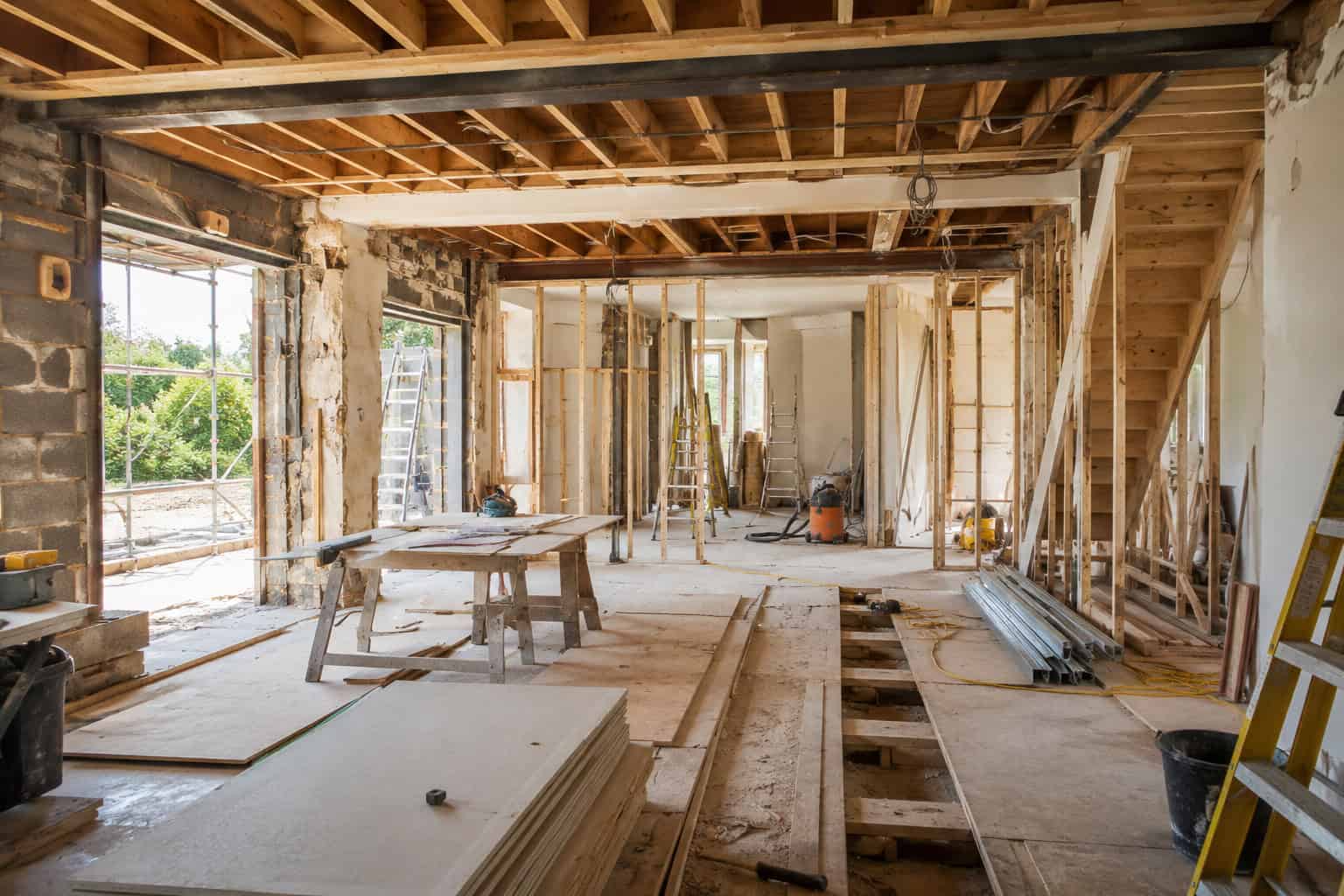
Home renovation costs in Essex vary widely, but if you’re planning a full home renovation in Essex or Chelmsford, most homeowners are looking at somewhere between £1,200 and £1,900 per square metre for a comprehensive renovation, with the South East typically running 15 to 25% above the national average. For a typical three-bedroom home of around 100 to 130 square metres, that puts a full renovation somewhere in the region of £150,000 to £280,000, depending on the age of the property, the scope of work and the finish you’re aiming for.
That’s a wide range, and it should be. No two renovations are the same, and a figure that ignores your specific property is more likely to mislead than help. Below, I’ve broken down what actually drives that range, so you can start budgeting with something closer to your real number rather than a national headline figure.
What’s Actually Driving Renovation Costs in Essex
Property type and age. Period properties, which make up a good deal of the housing stock across Essex, often carry costs that newer builds simply don’t. Original wiring, lath and plaster ceilings, uninsulated suspended floors and lead supply pipes are common in homes built before the 1930s, and each one adds to the budget before you’ve touched the design itself. A 1930s semi needing a full rewire and damp treatment can easily add £8,000 to £20,000 on top of the core renovation cost.
Size and layout. Floor area is the single biggest driver of cost after depth of work, since plastering, rewiring, flooring, heating and decoration all scale with the square metres you own. A smaller, well-configured home can genuinely cost less to renovate well than a larger one with an awkward layout.
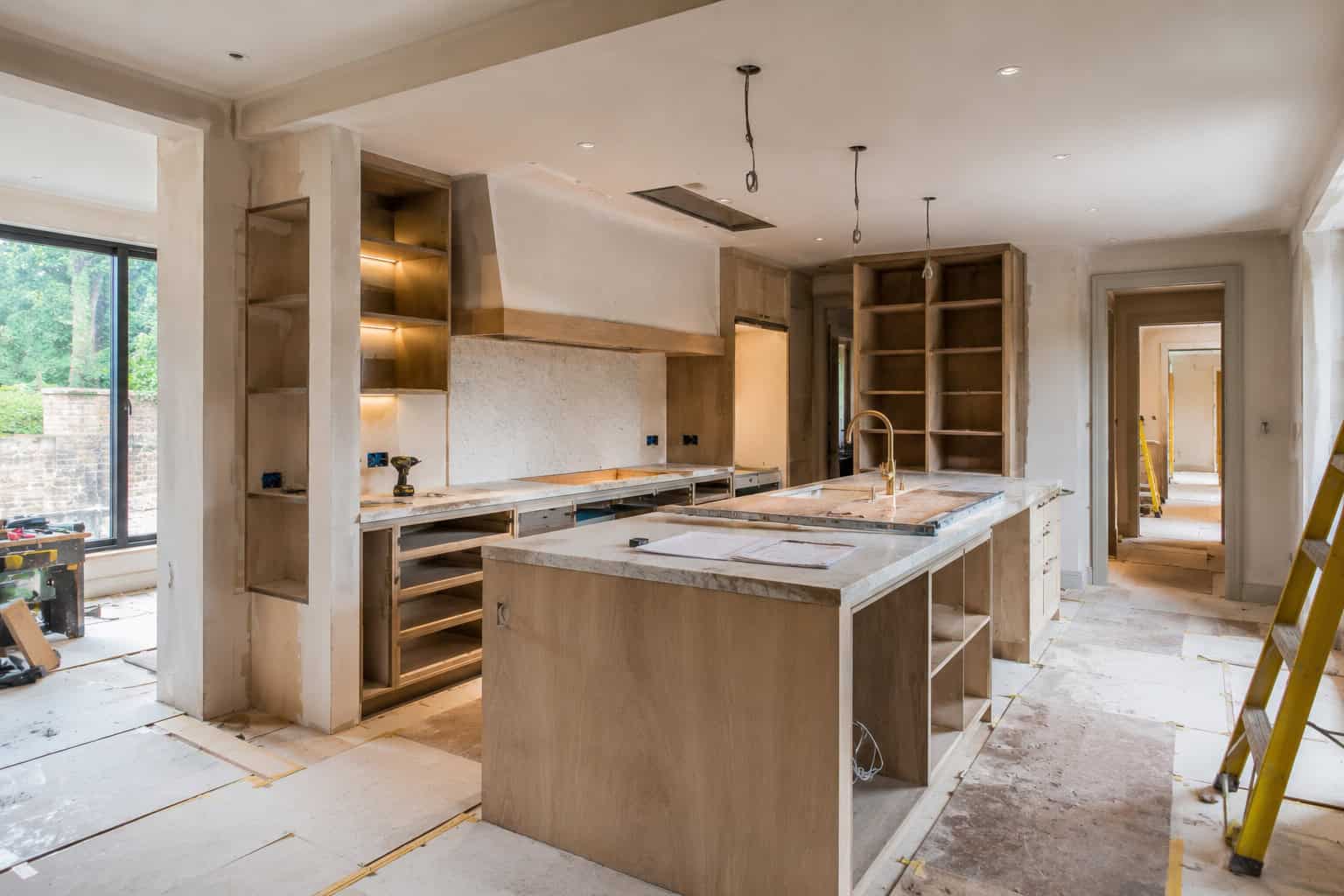
Structural work versus cosmetic change. A cosmetic refresh, new flooring, redecoration, updated fittings, sits at the lower end of any range. Once you’re moving walls, changing the footprint or reconfiguring how rooms connect, costs climb quickly, and you’re also into architect and planning territory before a single tradesperson arrives.
Finish level. This is where budgets diverge the most, and where a lot of my work sits. A mid-range kitchen and a bespoke, artisan-finished one can differ by £10,000’s for the same footprint. Neither is wrong, but it’s worth deciding early which end of that spectrum matters to you, since it shapes every decision after it.
Renovation Cost Breakdown by Project Type
These are indicative bands, based on current industry cost data adjusted for the South East, not quite a quote for your specific home, but a good benchmark nonetheless:
- Kitchen renovation: £25,000 – £60,000, depending on layout changes, appliance specification and joinery
- Full ground floor reconfiguration: £80,000 – £150,000, where walls move and services are relocated
- Whole house renovation (3-bed, 100 – 130sqm): £150,000 – £280,000, covering structural work, new kitchen and bathrooms, rewiring, replumbing and full decoration
- Rear extension: typically £2,500 – £3,500 per square metre once foundations, roof and services are factored in, separate from the renovation of the existing structure
If you’re weighing up an extension as part of your renovation, our free Project Planning Guide includes a more detailed cost calculator specifically for extension costs, along with return on investment figures, if you want to go further than the bands above.
Design Fees Versus Renovation Build Costs
It’s worth being clear early on that design fees and build costs are two separate lines in your budget, not one. Design fees cover that crucial thinking, planning and coordination that shapes what gets built; build costs are what you pay contractors and suppliers to actually construct it. Conflating the two is one of the more common ways renovation budgets go wrong, since it’s easy to underestimate one while focusing entirely on the other. If you want the fuller picture on how interior design fees specifically break down, that’s covered in detail on our interior design fees page.
Why Local Knowledge Matters For Your Essex Renovation Budget
National or regional guides can give you a ballpark, but they can’t tell you that a Victorian terrace in Chelmsford tends to hide different issues than a 1930s semi in the wider Essex countryside, or which trades are realistically available and at what lead time in this specific part of the South East. Working locally, and with a trusted network of artisans and tradespeople we know and rate, tends to close that gap between a generic estimate and what your project will actually cost.
Assumptions made early are also the most common reason renovation budgets and timelines slip. Often, the single most cost-effective thing you can do before any design conversation begins is get genuinely clear on your own goals and priorities, and a good interior designer is the best person to do that with, crucially, at the stage before you bring in an architect. After all, a successful renovation needs to support how you want to live on the inside. It means the design conversation that follows starts from a settled, well-thought-out place, working from the inside out, rather than being worked out as you go. You can read more about how that process works here.
For anyone wanting a source beyond this post, the British Institute of Interior Design’s fee guidance and Renocost build cost data are both worth a look for how these figures are typically benchmarked across the industry.
Common Questions About Renovating in Essex
Do I need planning permission for a renovation in Essex? It depends on the scope. Internal reconfiguration and most cosmetic work generally falls under permitted development, but structural changes, extensions beyond certain limits, and anything affecting a listed building or conservation area will need planning consent. Essex has a good number of both, particularly around the older market towns, so it’s worth checking with your local planning authority early rather than assuming your project is exempt.
Will a renovation actually add value to my Essex home? It depends on the scope. Internal reconfiguration and most cosmetic work generally falls under permitted development, but structural changes, extensions beyond certain limits, and anything affecting a listed building or conservation area will need planning consent. Essex has a good number of both, particularly around the older market towns, so it’s worth checking with your local planning authority early rather than assuming your project is exempt.
How long does a full home renovation take in Essex? For a whole-house renovation of the scale we’ve covered here, expect somewhere between four and nine months once building work starts, longer if you’re waiting on planning permission or working with a period property that reveals surprises once walls come off. Trade availability in Essex specifically can also affect your timeline, which is another reason local knowledge matters more than a generic number.
Should I bring in an architect or an interior designer first? An interior designer, generally. Getting clear on how you actually want to live in the space, what your priorities are, and what success looks like before an architect starts drawing means the design brief that follows is grounded in something real, rather than being worked out mid-process. It’s a smaller step than most people expect, and it tends to save far more in redesigns and changed minds later than it costs upfront.
Where to Go From Here
If you’re still in the research phase, the free Project Planning Guide is a genuinely useful next step, it includes a fuller cost calculator, a return-on-investment breakdown by renovation type, and a short exercise to help you gauge how ready you actually are to move into the design phase.
If you’re further along and want to talk through your specific project, a Clarity Call is a good next step, thirty minutes to talk through your budget, your options and what a realistic path forward looks like for your home.