

There is something particular about owning a period property. The proportions feel different. The light moves through the rooms in a way you cannot quite replicate in a new build. The details – the cornicing, the sash windows, the original fireplaces – carry a quiet sense of history that gives a home genuine character.
Then comes the renovation.
What tends to happen next is one of two things. Either the homeowner becomes so protective of the original fabric that they end up living around it rather than in it, preserving rooms that don’t actually work for modern life. Or they strip it back so thoroughly in the name of contemporary design that the home loses the very thing that made it worth buying in the first place.
Getting a period property renovation right sits somewhere between these two instincts. It requires an understanding of what is genuinely worth keeping, what can be sensitively updated, and what is simply not working, all whilst having the confidence to make those calls before the builders are on site.
“People are either so afraid of ruining the character that they barely touch anything, or so afraid of making it feel dated that they remove everything that gave it character in the first place.”
What Makes a Period Property Different to Renovate
Period homes: Victorian terraces; Edwardian semis; Georgian townhouses; inter-war Arts and Crafts properties were all built to a set of spatial principles that feel very different from modern construction. Rooms were conceived as separate, contained spaces with clear purposes. Ceilings were tall. Hallways were generous. The staircase was often a feature in its own right.
The structure tends to be solid, but the services are usually not. Wiring, plumbing, heating and insulation in a period property often need significant attention. These are rarely glamorous decisions, but they shape everything that follows and, important to note, they are expensive to revisit once other work is done.
There is also the matter of planning constraints. Listed buildings carry specific requirements, and even unlisted period properties in conservation areas may have restrictions on what can be altered, extended, or changed externally. Understanding this early is essential, not something to discover halfway through a project.
For homeowners unsure where they stand, the best starting points are the local planning authority for your borough or district, alongside Historic England’s guidance on listed buildings and conservation areas.
What Is Worth Preserving
Original features in period properties tend to have a quality that is genuinely difficult to replicate. Not impossible, as skilled craftspeople can reproduce cornicing, skirting, and joinery to a very high standard, however, it comes at a cost, and the results, however good, rarely carry the same warmth as the real thing.
As a general principle, if an original feature is structurally sound and can be sensitively incorporated into the new design, it is usually worth keeping.
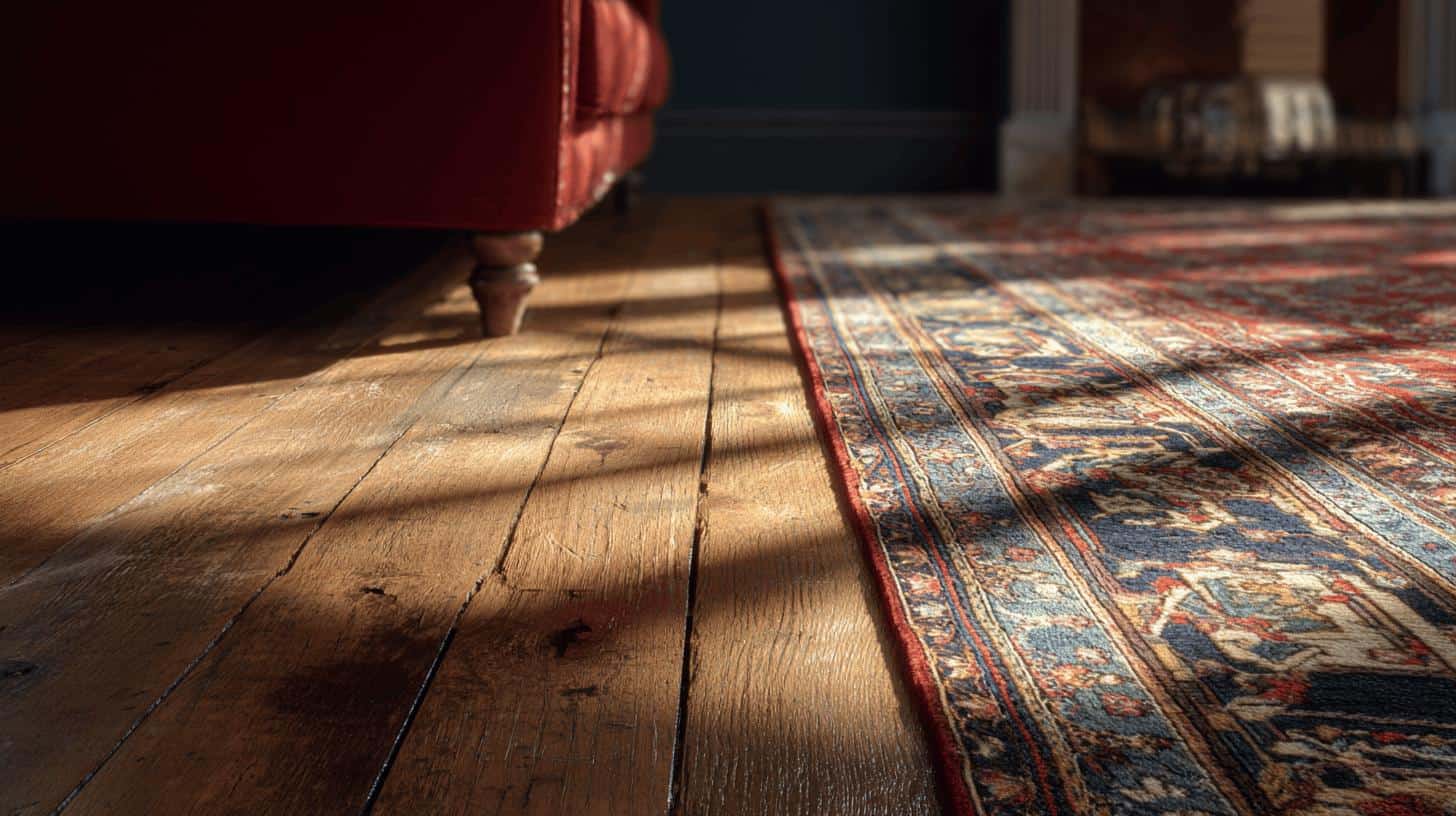
Original floorboards, where they are in reasonable condition, are almost always worth saving. Refinished and properly treated, they bring all those lived-in imperfections, warmth and texture that engineered alternatives simply do not match. Cornicing and ceiling roses, even where they have been painted over many times, can be carefully restored. Original fireplaces, even where the flues are no longer functional, provide a focal point and a sense of scale that makes a room feel truly resolved.
Sash windows are worth retaining wherever planning allows. Secondary glazing has come a long way and can address the thermal and acoustic performance concerns without the loss of character that comes from replacing original frames.
The principle here is not preservation for its own sake. It is really about recognising where original features contribute meaningfully to the atmosphere of a home, as well as, making considered decisions from that starting point, rather than removing things because replacement feels easier.
What to Let Go Of
Not everything old is worth keeping. Period properties frequently contain alterations made in intervening decades that have little design merit and actively detract from the spaces, such as, dropped ceilings hiding original heights, partition walls dividing rooms that were always meant to breathe, cheap replacement windows that have already compromised the character of the facade.
Layouts that were adapted for one era of living do not automatically suit another. A Victorian terraced house was not designed for contemporary open-plan family life, and forcing that layout onto it without careful thought tends to produce spaces that feel neither one thing nor the other, either too open to be cosy, but not open enough to feel truly connected.
The question to ask of every existing element is straightforward: does this contribute to how I want to live in this house, or is it simply here because nobody has addressed it yet? Some things that feel like original features are not. Some things that feel outdated are actually defining the quality of the space. Taking the time to distinguish between the two before committing to a plan is one of the most valuable steps in a period property renovation.
The Design Decisions That Define the Outcome
Period property renovations tend to succeed or struggle based on a small number of pivotal decisions made early in the process. These are not finish choices. They are structural and spatial and once committed to, they set the frame for everything that follows.
Layout and flow. How the ground floor connects, whether the kitchen moves, where the utility is positioned, how the hallway functions. These are the decisions that determine whether a period property supports modern family life or fights against it. In a Victorian terrace, the rear of the house is often where the most significant transformation happens, particularly where a kitchen extension is involved. The relationship between inside and outside, the connection to the garden, the way light reaches into the centre of the home. None of these should be left to chance.
Ceiling heights and levels. Period properties often have variations in floor level, particularly where later additions have been made. These transitions can feel charming when handled deliberately, and awkward when they are simply left. Decisions about how to address level changes, where to introduce steps, and whether to do anything about lowered areas deserve proper attention in the design stage.

Lighting. Period rooms with high ceilings and deep skirting respond very differently to light than contemporary open-plan spaces. I never recommend recessed downlights and these are particularly unsuitable in a Victorian reception room. Layered lighting: pendants; wall lights; picture lights; and concealed sources tend to honour the proportions of the room and create the atmosphere these spaces are capable of. Lighting positions need to be agreed before first fix electrical, and ideally should be planned around your furnishings layout. So, it means being organised ahead of time, way before the builders begin.
The relationship between old and new. Where contemporary elements are introduced, such as: an extension; a new kitchen; or a bathroom, the question of how they sit alongside the original fabric matters enormously. The most successful period renovations do not try to match old exactly with new, nor do they make jarring contrasts for their own sake. They find a considered middle ground: materials that speak the same language, proportions that feel coherent, junctions that have been properly resolved.
Mixing Old and New Without Losing Either
“Period homes do not need to be over-designed or over-protected. They need judgement.”
One of the most rewarding aspects of working on period properties is the opportunity to bring contemporary design thinking into spaces that already have genuine character. Done well, the contrast between old and new does not create tension – it creates interest.
An original Victorian fireplace alongside a thoughtfully specified contemporary sofa. A new kitchen with clean-lined cabinetry sitting beneath original cornicing. Antique or vintage furniture placed in a room that also contains new furnishings that have been chosen with the same care for quality and proportion can look incredible together.
What makes this work is not luck or instinct. It is a clear understanding of the atmosphere you are trying to create across the home as a whole, so that individual decisions, whether it’s a light fitting here, a material there, are made with a strong, coherent vision rather than made in isolation.
Without that overarching clarity, even individually beautiful choices tend not to add up to a home that feels fully resolved.
Why the Early Decisions Matter Most
By the time a period property renovation reaches the build stage, many of the most significant decisions have already been made. The layout has been set. The structural interventions have been agreed. The services have been positioned. What follows, however carefully managed, is working within a framework that is largely fixed.
This is why the quality of the thinking before the project begins has such a disproportionate impact on the outcome. A renovation that starts with a clearly defined vision – how the home needs to function, what atmosphere it should create, what the priorities are when decisions get difficult – moves very differently from one that is working those things out under pressure on site.
“The quality of the thinking before the project begins has such a disproportionate impact on the outcome.”
Period properties reward thorough early-stage thinking more than most. The complexity is higher, the constraints are real, and the margin for costly revision is smaller. Getting clarity before anything is committed is not a luxury. It is the single most efficient and effective thing you can do.
Thinking About Your Own Period Property Renovation?
If you are in the early stages of planning a renovation on a period home, or have a project already underway that does not feel quite right, it is worth stepping back before you commit further.
If you would wish to talk through your project directly, you are welcome to book a free Clarity Call. There is no obligation, just a straightforward conversation about where your renovation currently stands and where it could go.
For a broader view of how the design process works before a build begins, the Cornerstone™ process is worth understanding, particularly for period properties where the decisions are more complex and the stakes of getting them wrong are higher.