
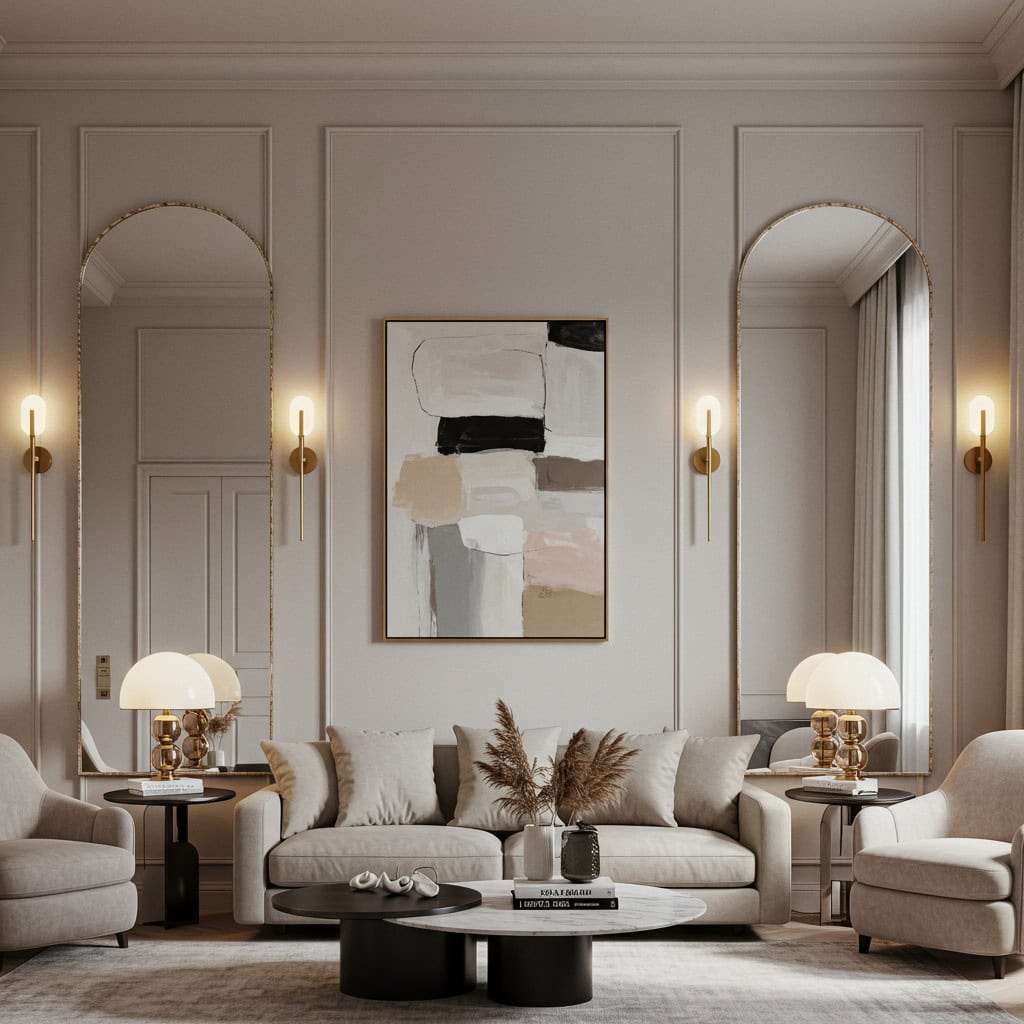
Mirrors in home design are one of the most powerful yet underestimated tools. When used thoughtfully, they do more than reflect – they enhance light, create depth, and bring a sense of sophistication to any room. As the days grow shorter and natural light becomes scarcer in autumn and winter, mirrors become particularly valuable, bouncing warmth and brightness around your home and helping every space feel more inviting.
Here are nine expert ways to use mirrors to transform your home.
1. Mirrors as Light Amplifiers
During the darker months, natural light is limited. Placing a mirror opposite or adjacent to a window is the simplest way to maximise it, but there are more nuanced approaches.
- Layered reflection: Position a large mirror behind a console or armchairs to double the glow of lamps or candlelight. Antiqued or bronzed finishes soften the reflection and add warmth.
- Architectural placement: Historically, mirrors were placed above fireplaces to reflect candlelight. Today, a favourite of mine, combining mirrors with wall sconces creates a subtle, atmospheric glow.
Tip: A polished mirror maximises brightness, while a smoked or aged mirror offers a more ambient effect.
2. Lighting and Using Mirrors in Home Design – The Perfect Partnership
As alluded to in the tip above, the true potential of a mirror emerges when paired with thoughtful lighting.
- Wall lights: Sconces on either side of a mirror create balance and prevent harsh shadows.
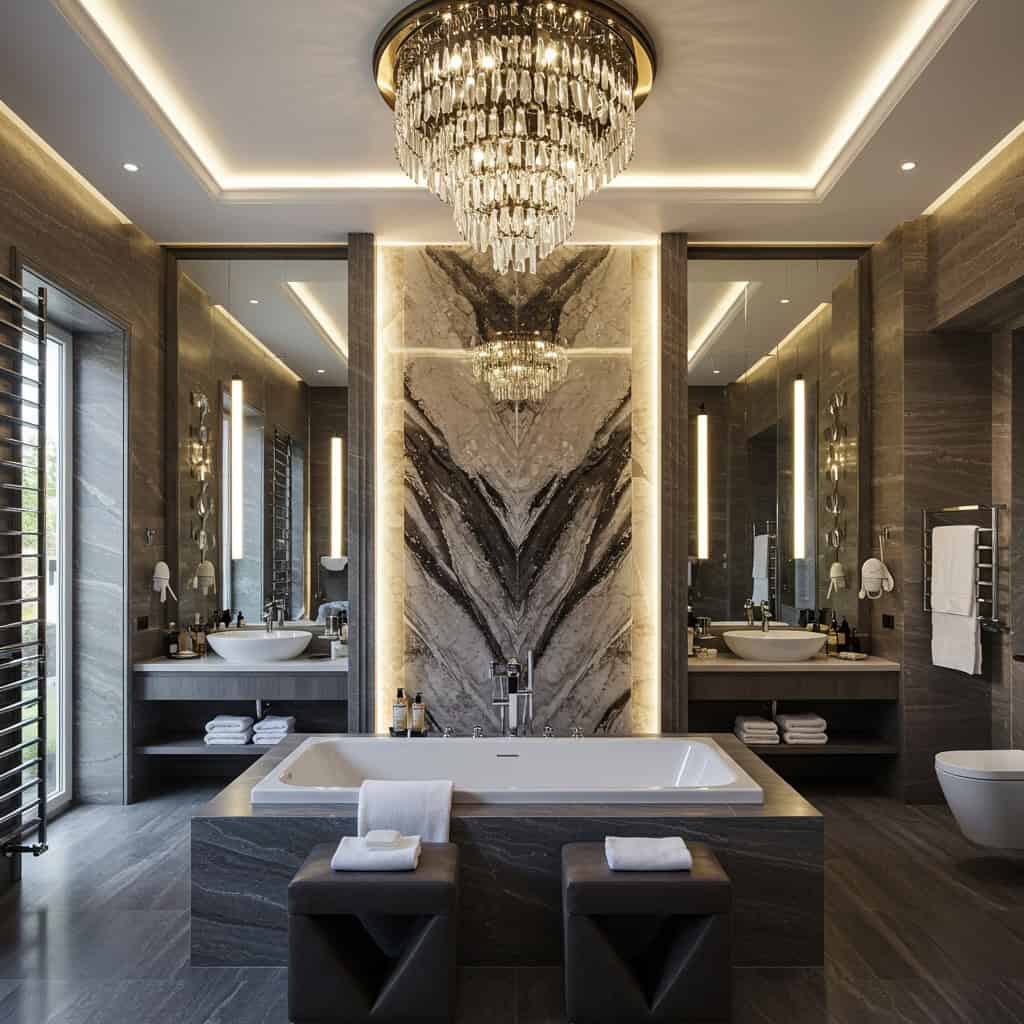
- Backlighting: Mirrors with integrated LED backlighting produce a halo effect, perfect for hallways or bathrooms.
- Candles and lanterns: Placing candles in front of a mirror instantly doubles their sparkle, a simple seasonal trick for autumn and winter evenings.
- Highlighting art: Angle mirrors to catch uplighters or wall washers aimed at artwork, adding depth and interest.
For more information regarding joinery lighting, see my blog here: The Art of Joinery Lighting, or for lighting in general, go here for my blog, Lighting 101: How Designers Layer Light.
3. How to Light a Make-up Mirror Properly
Using mirrors in home design is often decorative and mood enhancing, but for bathrooms or dressing rooms, the right lighting is essential when needing wanting practicality and a perfectly balanced reflection. What you are aiming for is to throw light evenly onto you or your face.
- Avoid overhead spots: These cast downward shadows, which can distort colour and form.
- Side lighting is key: Vertical lighting strips or sconces on either side at face height provide even illumination.
- Warm yet natural light: Choose bulbs with a CRI of 90+ and a temperature of 3,000–3,500K to balance warmth with accurate colour.
- Dimmable options: Adjustable brightness lets you replicate daylight in the morning and softer light in the evening.
- Integrated LED mirrors: Sleek, functional, and refined, they combine design and practicality. Preferred option here are the ones that throw light onto you, not around the perimeter.
4. Mirrors as Architectural Statements
Using mirrors in home design can transform a room more than any other decorative element. Here are some architectural ideas.
- Floor-to-ceiling panels: Ideal for darker rooms or hallways, creating a sense of depth and scale.
- Mirrored Nooks or Alcoves: Use mirrors on the back wall of a recessed shelf, niche, or display cabinet, so you can also view the rear of the objets d’art. Adds depth and showcases objects, artwork, or decorative items.
- Ceiling mirrors: Used sparingly, they bounce candlelight beautifully, creating a layered, luminous atmosphere. I used this for a design once in a Games Room/Bar where the ceiling was quite low over the pool table. Mirrors here gave a coffered effect and gave the room that opulent sparkle blending well with the backlit bar that we created.
- Mirrored trims: Small, inset mirrors in window trims, door panels, or cabinet kickboards for understated sparkle. A mirrored panel on the side of a stair or along a low balustrade can create subtle reflection and light amplification without dominating the room.
5. Framing Views and Art
Mirrors can act as a visual guide, drawing attention to key elements in a room.
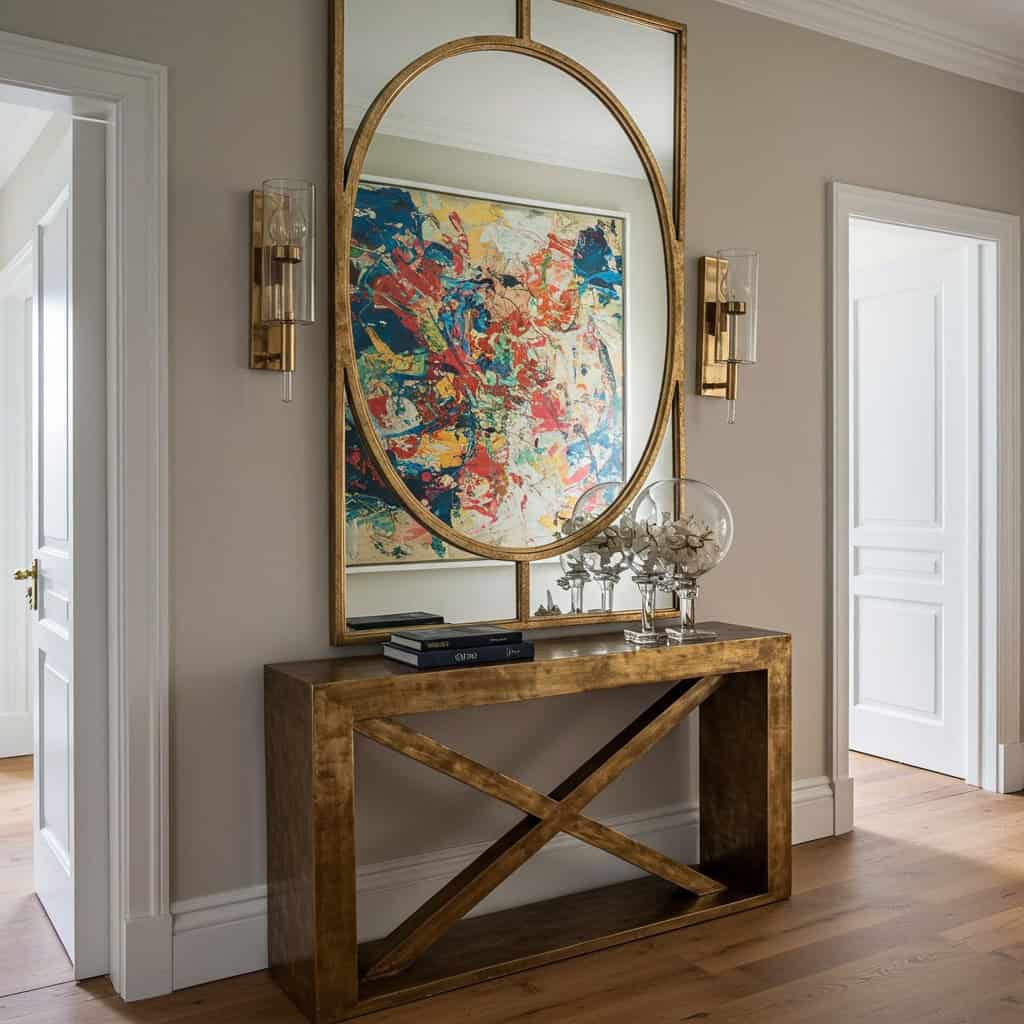
- Over a console: A mirror above a console draws focus to lighting, floral arrangements, or other décor.
- Between windows: Slim, tall mirrors enhance rhythm and symmetry across a room.
- Enhancing art: Strategically placed opposite a bright colourful piece of art, in an otherwise neutral scheme, can ramp up the effect of these colours, adding more depth and repetition or rhythm within a room.
6. Using Mirrors with Seasonal Textures
Autumn and winter are perfect for layering textures alongside mirrors in home design.
- Velvet and glass: Jewel-toned sofas reflected in a mirror amplify colour and richness.
- Metallics and candlelight: Mirrors reflecting bronze, brass, or mercury glass add a subtle sparkle and warmth.
- Timber and patina: Antiqued mirrors above wooden tables balance comfort with elegance. And add warmth, highly important, when using mirrors.
7. Choosing the Right Frame and Finish
A mirror’s frame sets the tone for the space.
- Gilded frames: Perfect for traditional interiors, adding character and depth.
- Minimal bronze edging: Sleek and understated for contemporary schemes.
- Antiqued finishes: There are a myriad assortment of different kinds of finishes now that are easily available. Smoked or foxed mirrors soften reflections, adding warmth during not just during the darker months, but at anytime of the year.
- Frameless: Good for when the effect of the mirror is more important than the statement itself.
8. Creating Sparkle in Entertaining Spaces
Mirrors are particularly effective when entertaining.
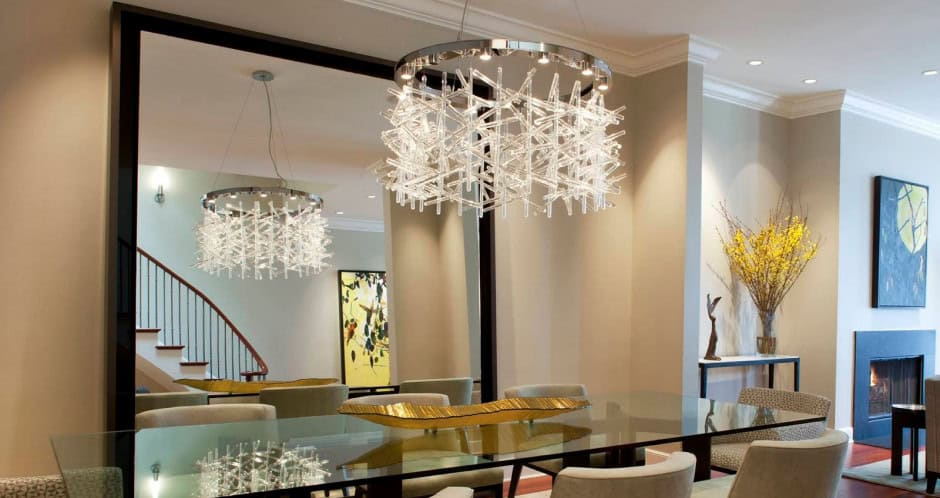
- Dining rooms: Mirrors reflect candlelight and glassware, turning simple dinners into memorable occasions.
- Bars and cabinets: Mirrored backs make crystalware and bottles shimmer.
- Fireplaces: A mirror above a mantel could reflect a statement pendant, enhancing the cosy, luminous feel.
9. Things to Avoid When Using Mirrors in Home Design
While mirrors can transform a space, they need to be used thoughtfully.
- Overuse: Too many mirrors can feel overwhelming. One well-placed mirror often has more impact than several scattered around. If not strategically placed, they can also feel cold. Think about acoustics as well, as mirrors have no sound absorbency and will bounce sound around as well as light.
- Poor positioning: Avoid reflections of cluttered areas, radiators, or awkward architectural features.
- Incorrect scale: Mirrors that are too small look lost, while oversized ones can dominate modest spaces.
- Unflattering reflections: Steer clear of mirrors that catch harsh downlights, or LED striplights particularly in bathrooms, dressing rooms and on media walls or splashbacks for kitchens.
- Style clashes: Frames should complement the scheme. A heavy ornate frame in a pared-back room can feel jarring unless used deliberately as a statement.
- Safety oversights: Be mindful of sharp corners, especially in hallways or family homes, and choose mirrors suitable for humid environments. Always anchor leaning mirrors for safety, particularly around children or pets.
- Glare issues: Avoid placing mirrors directly opposite strong artificial lights. Soft lamps, dimmers, or warm LEDs help.
- Cleaning and maintenance: Whilst ornate designs with many separate paneled parts to a mirror may look beautiful, they can literally be a nightmare to clean, so bear this in mind when making your choice. Splashbacks can be also be difficult when highly polished. If I am going to use a mirrored splashback then an antiques or foxed one will be more forgiving on greasy streak marks.
Final Thought
When using mirrors in home design, it can offer a whole lot more than just reflection – they enhance light, amplify textures, and bring warmth and sophistication to a home. In autumn and winter, when natural light is limited, their role becomes even more vital, bouncing brightness around your interiors and helping spaces feel alive.
Used with care, paired with thoughtful lighting, and positioned with intention, mirrors can elevate a room from simply stylish to truly luminous. If you are wanting help designing your home with mirrors or any other interior design needs, then book a free clarity call here to discuss.