
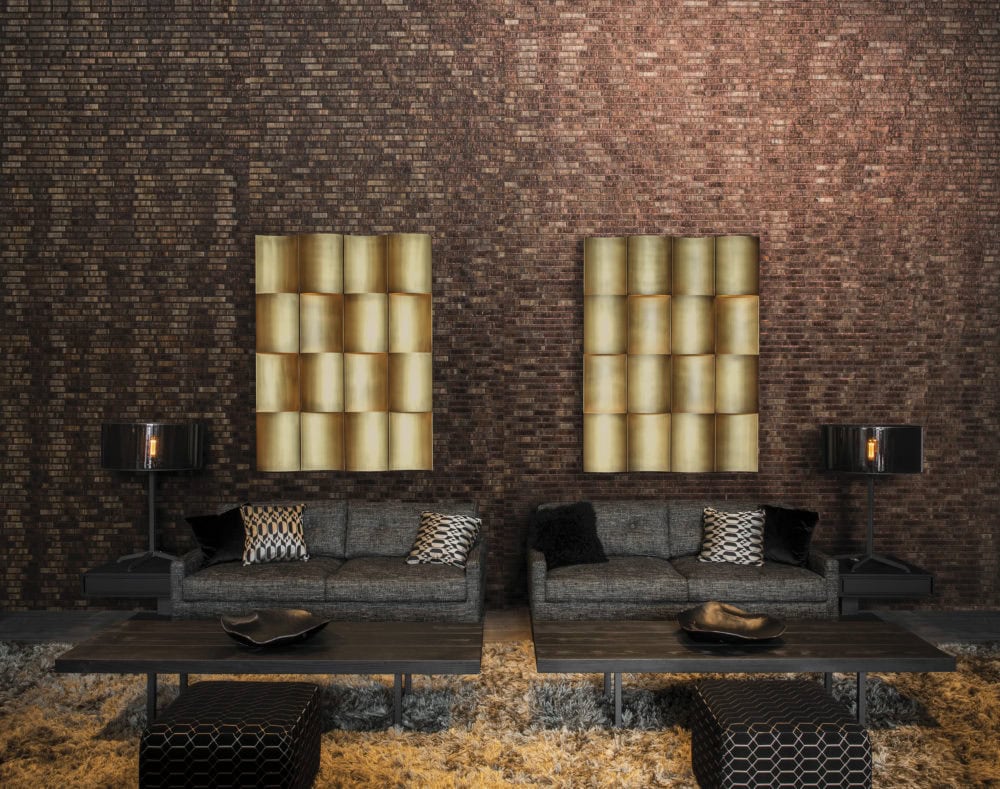
Whenever I head to the Chelsea Design Centre or attend Decorex or one of the other many interior design events throughout the year, for inspiration, I’m like a child in a sweetie shop. Wall coverings have come such a long way and seeing those vast books of textures, colours and finishes never fails to spark ideas. Whether it’s a delicate grasscloth that shimmers softly in the light or a hand-painted mural that tells a story, wall coverings can completely transform how a room feels.
Why wall coverings are having a moment
Walls are often treated as a blank canvas – a backdrop for furniture, art and lighting. However, the right wall covering can be the artwork itself. Whether you want a quiet texture that whispers sophistication or a bold mural that anchors a space, wall coverings are one of the most powerful ways to express personality and bring depth and atmosphere to a room. Paint has its place, of course, but wall coverings bring dimension, texture and emotion.
Today’s designs go far beyond the floral papers of old, they’re works of art in their own right. From hand-printed silks to 3D textured finishes and artisan weaves, the choice is extraordinary. Modern materials offer incredible tactility, sustainable options, and endless creative possibilities.
In renovation projects, I often find wall coverings are what pull everything together. They’re the difference between a room that’s simply decorated and one that feels considered.
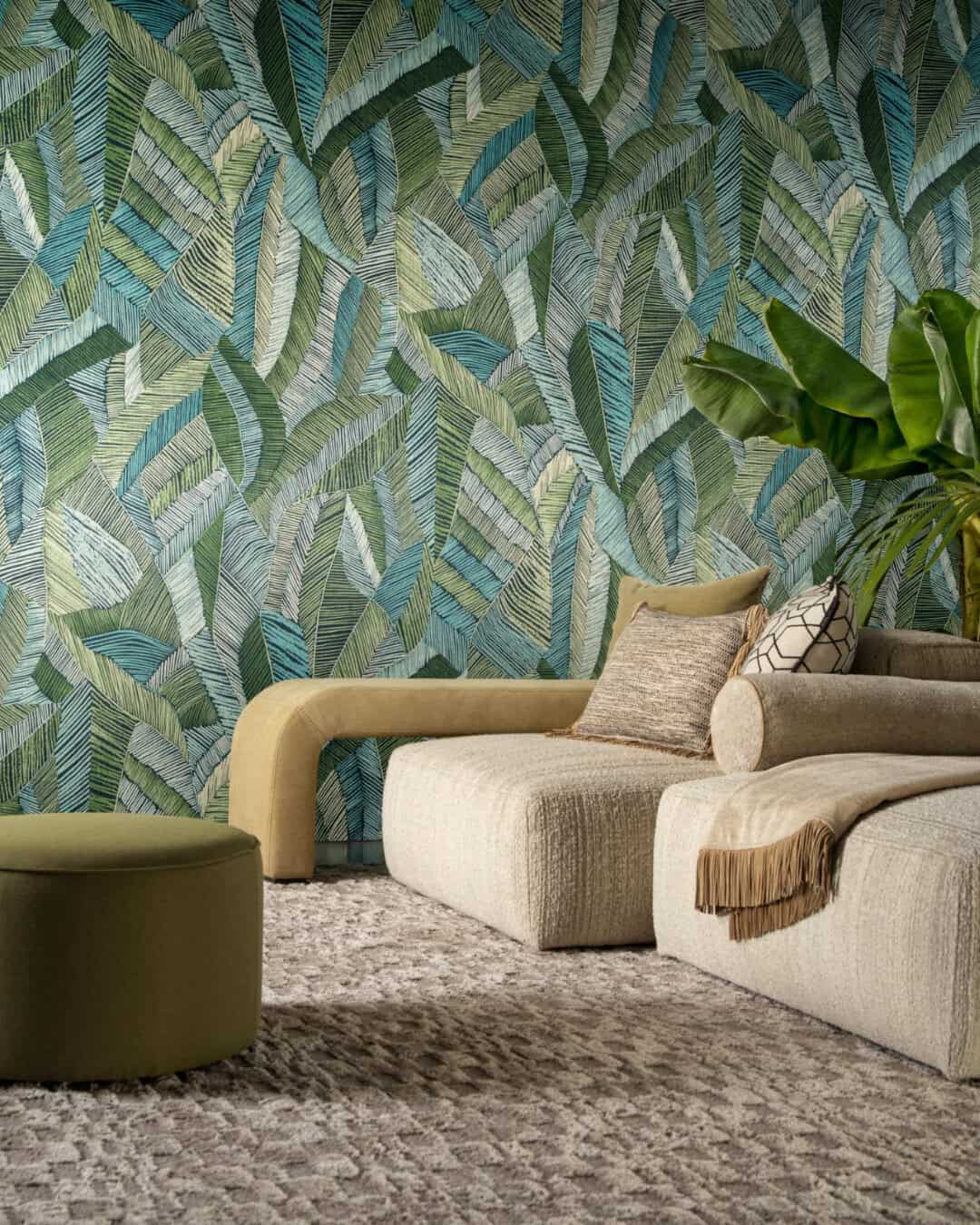
Textured finishes that add depth
Natural fibres like grasscloth, linen and jute create warmth and a beautiful tactility. They’re wonderful in rooms where you want atmosphere without pattern, the gentle weave catches the light and brings subtle movement to the walls. You will often see this kind of finish in art galleries as a great backdrop to the art itself. There is something going on but it is not competing with the art.
Metallic or mica finishes, on the other hand, add a subtle glamour. I love using these in dining rooms, where they catch the glow of candlelight and create that cocooning, intimate feel, the sort of space that invites long conversations over dinner.
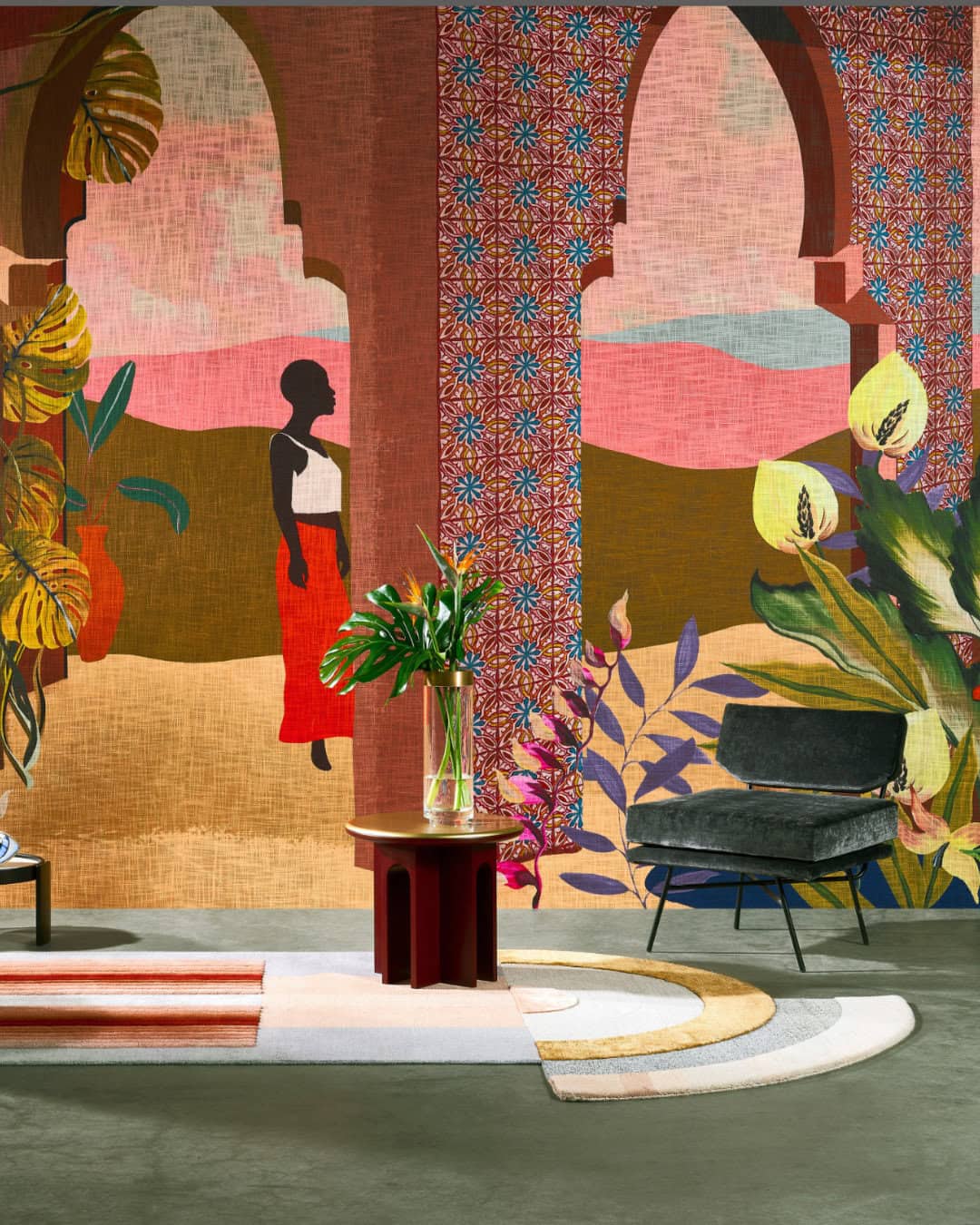
Murals and large-scale artistry
If you’re feeling bold, murals can be magical. My absolute favourite when it comes to giving a home something extra special. I use murals quite a lot if the client is up for it, as it is like hanging a piece of art. Some are entirely hand-painted, while others use digital printing to create panoramic scenes or abstract landscapes. I’ve seen clients fall in love with everything from misty forests to chinoiserie gardens.
They work beautifully as a statement behind a bed, in a hallway or even wrapping around a powder room, places where you can afford to surprise and delight.
The return of fabric-clad walls
There’s something wonderfully luxurious about fabric walling. It hugely softens acoustics, feels inviting, and introduces that bespoke, tailored quality. Linen, velvet or suede panels can be colour-matched to curtains or upholstery for a seamless finish. This treatment is ideal for bedrooms, snug lounges or studies. Often the edges are finished in a beautiful braiding of some kind, so it most certainly is something for someone with deeper pockets. When done right, it’s the sort of detail that quietly whispers considered design.
Sustainable and artisanal options
As an interior designer, known for biophilic interiors, I’m also drawn to artisan and eco-conscious makers who care as much about the process as the finished product, like those creating small-batch, hand-blocked or marbled designs using natural or recycled fibres and natural dyes or water-based inks. or crafting coverings from materials such as bamboo, cork, grasscloth and hemp.
These natural textures not only look stunning, they also bring a soulful calm, grounding quality to interiors, a quiet connection to nature that helps a home feel more restful. They bring a crafted honesty that works beautifully in both period and modern homes. Perfect if you love craftsmanship and individuality.
These are pieces to treasure, designed to patinate gracefully over time rather than follow fleeting trends. Unlike mass-produced options, they only get better with time.
Some innovative brands are even rethinking the base materials entirely, turning things like fallen leaves, recycled textiles, or plant fibres into wall coverings. It’s an exciting time to design more consciously without compromising on luxury.
Choosing a sustainable wall covering doesn’t mean going plain or pared-back, quite the opposite. These designs often have richer depth and tactility, because they celebrate natural variation rather than hiding it. All of these wall finishes are distinctly biophilic, which play a huge part of how we design interiors. For more information see our Biophilic Interior Design page.
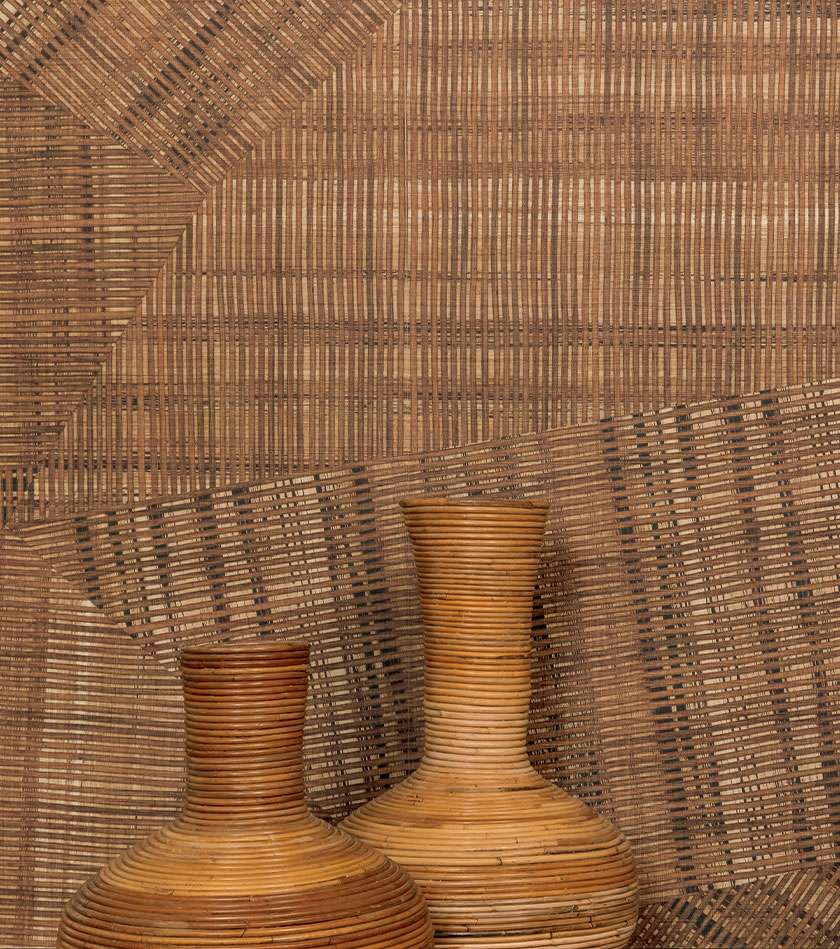
How to choose the right wall covering
Think about scale and proportion. Large patterns sing in big rooms; smaller spaces often need subtler texture or tone.
Consider the light. Natural light changes everything. Always look at samples in situ, in daylight and at night.
Balance with your materials. If you’ve got bold furniture, go subtle on the walls; if your pieces are minimal, make the walls the star.
Don’t forget touch. Some of the best wall coverings are tactile and that sensory layer is what elevates a room.
Designer favourites: OK, you’ve twisted my arm! I will share – here are some of my absolute favourite wallpaper houses for you to peruse: Omexco, Arte, Casamance, Elitis, The Monkey Puzzle Tree, Tracy Kendall
The designer’s secret weapon
Wall coverings are one of my favourite design tools because they completely change the mood. They can soften, ground or dramatise a space in an instant.
Whether you’re drawn to the soft weave of a natural grasscloth or the drama of a hand-painted mural, the right wall covering makes every surface part of the story. don’t underestimate the impact of what surrounds you every day. Walls deserve as much consideration as any piece of furniture and when done well, they can make a room unforgettable.
If you need help selecting yours, because you really don’t want to get this wrong, then do get in touch here and we can chat through how we can help you.